Patient recruitment is the biggest cause of delays in clinical trials. Studies suggest that approximately 80% of clinical trials experience delays due to challenges in enrolling participants, with 85% failing
to meet their recruitment targets (source: Labiotech.eu). This hampers timely
progression of clinical research and costs pharma companies as much as $8 million every day. (source: JMIR).
Physicians and healthcare providers used to be the primary channel through which clinical trial awareness could be approached. But this means outreach is limited to patients within the healthcare system. The
landscape of clinical trial advertising has evolved to address these challenges, as well as to adapt for the changing ways in which people consume and share information. Modern strategies encompass a multi-channel
approach, leveraging digital platforms, social media, print media, and community outreach to enhance visibility and accessibility. This shift broadens the reach to diverse patient populations and makes recruitment
more patient-centric in nature.
Effective clinical trial advertising is essential not only for meeting recruitment goals but also for ensuring the inclusivity and diversity of trial participants, ultimately contributing to the validity and
success of clinical research.
What Are the Best Patient Recruitment Strategies for Clinical Trials?
The best patient recruitment strategies are patient-centric in nature, reducing barriers and building trust.
Build Trust and Improve Understanding
Educational campaigns that clearly explain risks, benefits, and expectations outperform promotional messaging. As noted in Applied Clinical Trials, transparent communication improves recruitment and retention.
Communicate with Empathy
Avoid overpromising outcomes, especially for patients facing serious conditions. "Patients can often be frustrated and desperate in dealing with their condition," says Gaurav Kapoor, President of Newristics, "and could have false hope and optimism about what outcomes they can expect."
Personalize with Data-Driven Targeting
Don’t just broadcast — personalize. Kapoor notes, "Programmatic ads have emerged as an important strategy to target the right patient populations, especially for rare disease patients. Companies are integrating
a variety of data sources to create propensity models that can reasonably accurately predict profiles of rare disease patients."
What Channels Work Best for Clinical Trial Advertising?
Historically most of the awareness of clinical trials was through physicians. Today companies running trials have a far more expansive toolkit.
Digital Advertising
Social media, paid search, and programmatic buying offer unmatched targeting. Search ads, social media ads and short-form videos can reach patients based on age, location, and health interests across various platforms including Facebook, Instagram, TikTok and others. "Programmatic buying of advertising has emerged as an important strategy to find rare
disease patients," Kapoor notes. "Companies are integrating a variety of data sources to create propensity models that can predict profiles of rare disease patients."
Print and In-Office Materials
Flyers, posters, and brochures in clinics and hospitals continue to be effective as they meet the patient in a setting where they are thinking about or engaging with the provider on a health-related issue. These
sites have the added advantage of being able to provide additional information from a nurse or a clinician, and interested patients can enroll immediately.
Community and Online Patient Engagement
Partnering with advocacy groups, local health workers, and disease-specific online communities expands trial reach and fosters trust—especially in underrepresented populations. "Many companies have emerged in
the patient community space," says Kapoor, "and are managing separate patient communities for dozens of individual disease states involving thousands of patients in each community."
A multi-channel integrated campaign ensures wide and targeted exposure, maximizing reach while keeping diverse trial needs in mind. One key thing to keep in mind - the ads need to be optimized for each channel.
What works in a print flyer may not work in an Instagram ad.
How to Stay Compliant: IRB and FDA Guidelines for Clinical Trial Advertising
Compliance in clinical trial advertising is a legal and ethical necessity. All promotional materials, whether used in print, digital or other advertising channels, must be reviewed and approved by an Institutional
Review Board (IRB) to ensure they are accurate and not misleading.
IRBs verify that recruitment materials align with ethical standards. According to FDA guidance, ads should include accurate information about the study purpose, time commitments, and potential risks, without overstating benefits.
To build trust and support informed consent, ads should use plain language, clarify that the treatment is investigational, and outline any placebo use. Compensation for participation is allowed but must be reasonable,
disclosed upfront, and IRB-approved. These rules don't mean the content can't be engaging, but they are in place so patients are protected from misleading claims.
Ultimately, a compliant approach balances recruitment goals with the ethical duty to inform and protect participants, while preserving the integrity of the research.
Trends Shaping Clinical Trial Marketing in 2025 and Beyond
As the clinical research landscape evolves, clinical trial advertising strategies must keep pace with changing patient expectations, digital innovation, and regulatory standards. Several key trends are set to
shape clinical trial advertising in 2025 and beyond:
Greater Emphasis on Diversity and Inclusion
Pharma companies are looking to recruit more representative populations so the drugs' benefit reaches more people. The design, imagery and content of campaigns are more personalized to patients across various socioeconomic, racial, and geographic backgrounds using culturally relevant messaging and targeted outreach.
With the push to include patient-reported outcomes (PROs) in clinical trials to improve the prediction of benefit in the larger population, companies are investing in advertising clinical trials to a wide
variety of patients to get feedback that is more representative in nature.
AI and Data-Driven Personalization
Artificial intelligence and machine learning are being integrated into recruitment platforms to predict patient eligibility, tailor messaging, and optimize media buying. Predictive modeling enhances targeting
efficiency, especially for rare or geographically dispersed conditions. Expect further refinement in how digital ads are customized based on patient profiles and behaviors.
Rise of Mobile and On-Demand Engagement
Patients increasingly expect real-time, on-demand access to information. Mobile-optimized landing pages, chatbots for trial FAQs, and video explainers embedded in ads are becoming standard. These tools not only
improve user experience but also reduce bounce rates and drive higher conversion.
These trends collectively signal a shift from transactional marketing to relationship-building, where clinical trial ads are designed to educate, reassure, and motivate.
Expert Tips to Maximize the Impact of Clinical Trial Advertising
The most impactful clinical trial advertising campaigns share common elements that boost effectiveness while maintaining ethical integrity.
Patient-Centric Ad Design
While representing the most important study inclusion criteria is essential, recruitment ads that put the patient's concerns first tend to resonate more.
Use of Behavioral Science and AI in Messaging
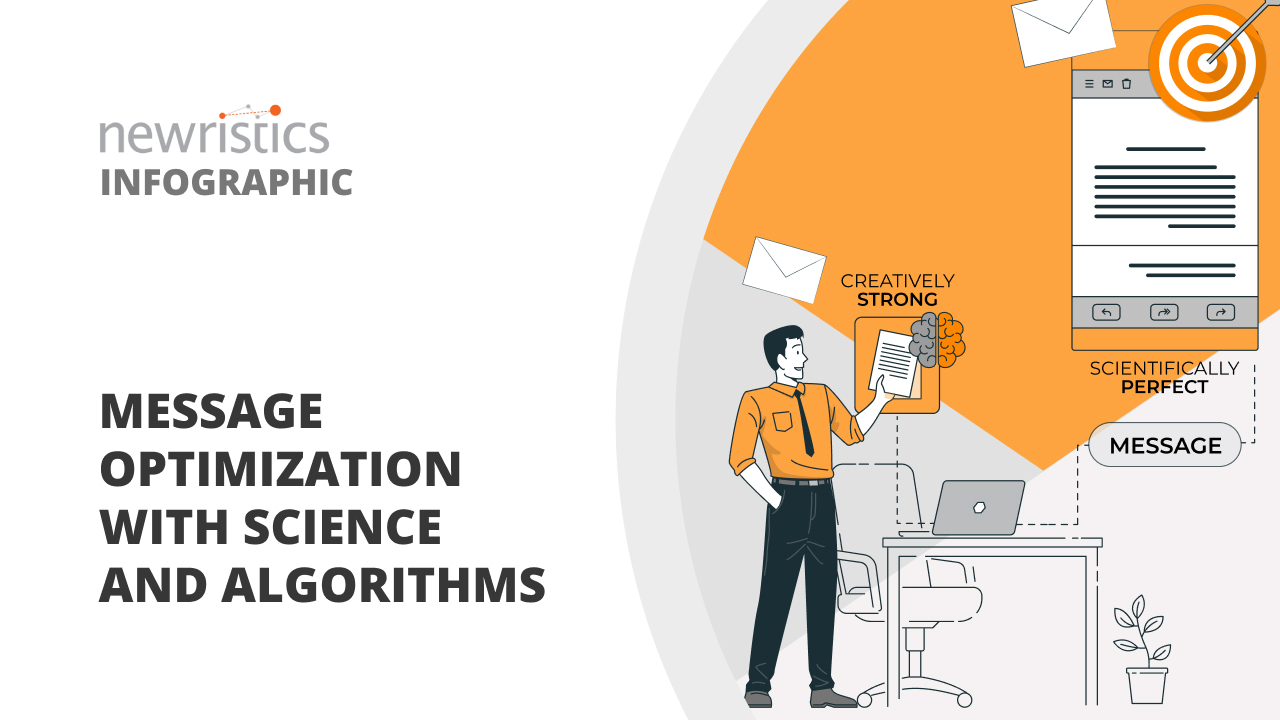
Behavioral science helps shape messaging that resonates with how patients actually make decisions — by addressing emotion, trust, and motivation, not just logic. AI takes this a step further by analyzing response patterns to identify what messaging works for which patient segments. Together, they enable more personalized and persuasive outreach
that improves both engagement and enrolment.
Test Creative and Messaging Iteratively
Audiences for clinical trials need to be personalized to the demographics most representative of the inclusion criteria, yet they have to resonate with various cultural, ethnic or geographic groups. A/B testing
various headlines, images, and calls to action can help refine content based on real-time performance.
Evaluate Metrics Beyond Clicks
Digital advertising metrics like impressions or CTR may seem impressive at first, but what's more important is to see whether the ad is reaching the right people. Too often, ads generate many leads, but few
if any, may be eligible for the trial. Tracking the number of people passing eligibility screening or being recruited into the trial is a more important real-world metric of ad effectiveness.
Incorporate Feedback Loops from Patient Communities
Tap into patient communities or even patients who were successfully enrolled to get feedback on how well the ads resonated with them and what made the ad memorable. This can help refine the ads over time, and
feed into the iterative design process.
Conclusion
Clinical trial advertising is evolving — and fast. From AI-powered targeting to empathetic, culturally resonant messaging, success lies in meeting patients where they are and being honest about what participation involves. The strategies covered in this article—from compliance and channel selection to creative design—are all working toward the same goal: helping the right patients connect with the right research, at the right time.
FAQs About Clinical Trial Advertising
1. What are the FDA guidelines for clinical trial advertising?
The FDA requires that clinical trial advertisements be truthful, not misleading, and include accurate information about the study purpose, eligibility criteria, location, and sponsor. Ads must not overpromise
outcomes or imply guaranteed benefits.
2. What information should be included in clinical trial advertisements?
Essential elements include study purpose, trial phase, eligibility criteria, time commitment, risks, benefits (without exaggeration), compensation information if any, and contact information. IRBs typically
review ads to ensure accuracy and compliance.
3. Can you advertise clinical trials on social media?
Yes, social media is a valid channel for clinical trial recruitment. However, ads must be IRB-approved and follow ethical guidelines.
4. How do clinical trial recruitment companies find patients?
They use data-driven tools like digital advertising, search engine marketing, programmatic ad buys, electronic health record screening, and outreach through patient communities and advocacy groups.
5. What are the do’s and don’ts of clinical trial advertising?
Do: Be honest, patient-centered, inclusive, and transparent. Don’t: Overpromise, use coercive language, or omit key study information. Always ensure materials are reviewed by an IRB.
6. Why is diversity important in clinical trial recruitment?
Diverse participation ensures that results are generalizable across populations, improves safety data, and helps identify differential responses.
7. What creative materials are needed for clinical trial advertising?
Depending on the channel, common materials include digital display ads, video explainers, print flyers, landing pages, email templates, and social posts — all customized for the target audience.
8. What is the process for IRB approval of clinical trial ads?
Sponsors or recruitment partners submit ad drafts to the trial’s IRB. The board evaluates them for ethical compliance, factual accuracy, and clarity. Only approved versions can be used publicly.
Learn more about how behavioral science and AI are transforming pharma messaging
Lorem ipsum dolor sit amet, consectetur adipiscing elit
 Back
Back Blog posts
 Newristics
 01 Feb 2024
 Share
Share



 Infographics
 Time : 7 Mins
 Video
Video